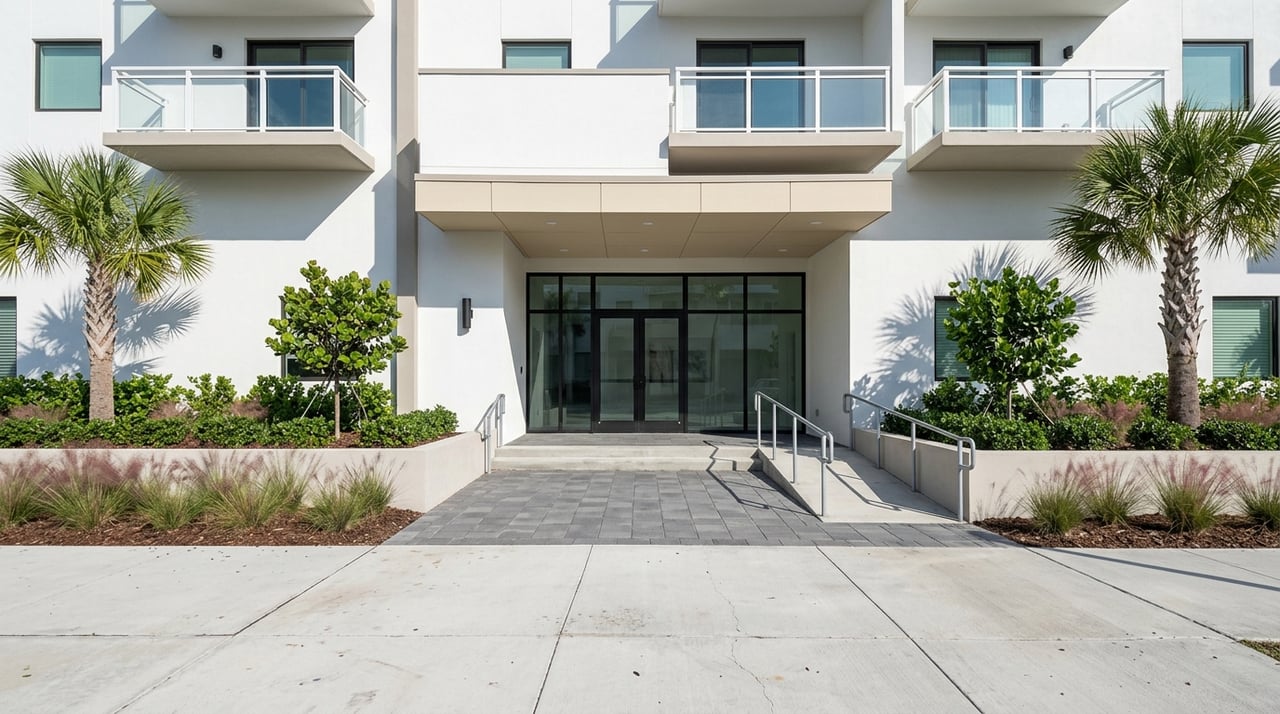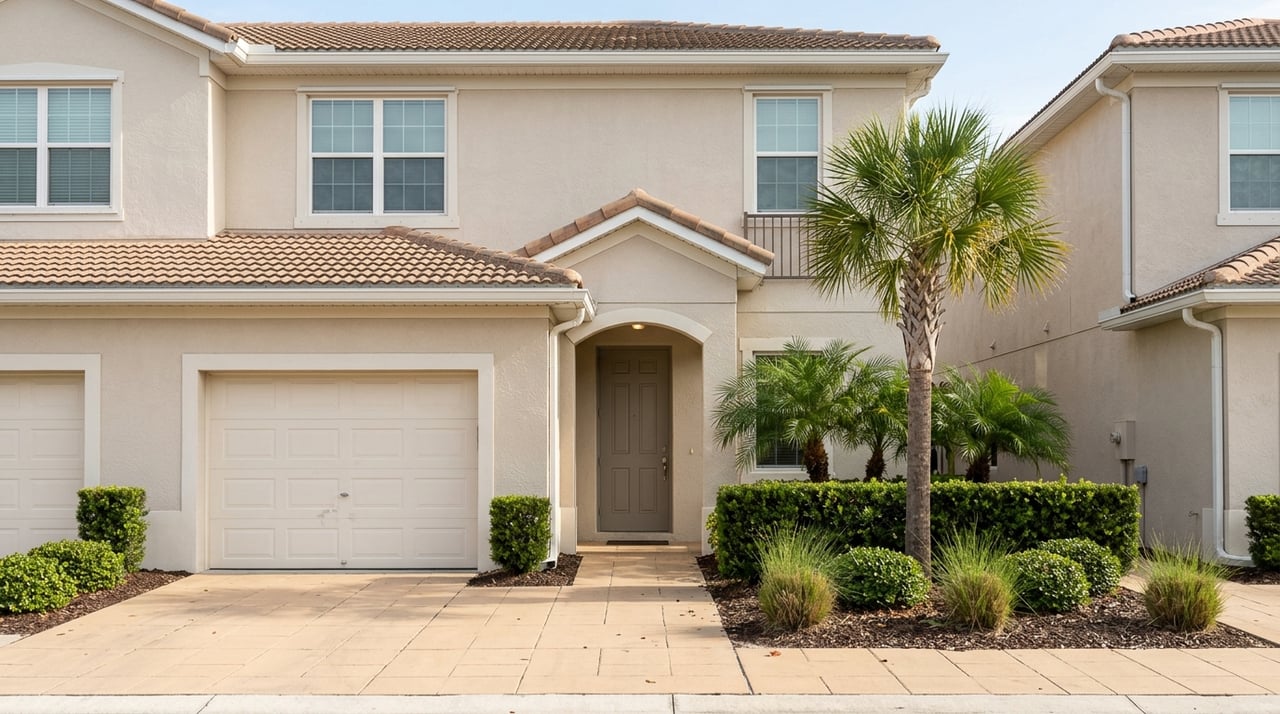
Wondering whether a condo or townhome makes more sense in Duval County? You are not alone. Many buyers focus on the exterior style first, but the smarter way to decide is to look at ownership rules, monthly costs, and who handles major repairs. If you understand those pieces upfront, you can choose with more confidence and fewer surprises. Let’s dive in.
Start With Ownership Structure
In Duval County, the biggest difference is not always what the home looks like from the curb. It is the legal structure behind it. In Florida, a condominium is a specific form of ownership where you own your unit separately and also share an undivided interest in the common elements.
That matters because condo associations are generally responsible for maintaining, repairing, and managing association property covered by the declaration. A townhome, on the other hand, is not automatically one thing under Florida law. Some townhomes are part of an HOA community, and the recorded covenants and governing documents decide who pays for what.
If you take away one thing from this article, let it be this: do not assume a townhome means lower fees or more owner control, and do not assume a condo means everything outside your walls is covered. In Duval County, those answers depend on the community documents and budget.
Compare Duval County Price Points
If budget is a major factor, attached homes can offer a lower entry point than detached homes in the area. Recent Duval County market data show a median sale price of $319,043 countywide over the last three months, with homes averaging 57 days on market in May 2026.
Current listing data also show a noticeable pricing gap between condos and townhomes. Duval County had 620 condos for sale at a median listing price of $205,000 and 537 townhouses for sale at a median listing price of $270,000.
That difference can shape your options in a big way. If you want to keep your purchase price lower, a condo may open more doors. If you want a bit more space or a layout that feels more like a traditional home, a townhome may fit better, though often at a higher asking price.
Look Beyond the Purchase Price
The sticker price is only part of the story. Your real monthly cost includes mortgage, taxes, insurance, and association dues, plus any risk of future assessments.
For condos, the monthly fee often covers more shared responsibility. Florida condo law gives associations the authority to maintain common elements and levy assessments, including special assessments for certain needs. That means a lower purchase price can still come with a higher monthly association cost.
For townhomes in HOA communities, dues can vary a lot from one neighborhood to another. Florida law allows assessments to differ based on the governing documents, parcel class, or service level. One townhome community may include exterior upkeep and amenities, while another may cover very little beyond shared spaces.
Who Handles Repairs Matters
Before you choose a condo or townhome, get clear on repair responsibility. This is where many buyers find the biggest practical difference.
With a condo, the association often handles common elements, but the declaration may define some items differently. You should ask specifically about the roof, exterior walls, windows, doors, balconies, parking, storage, pest control, trash, water, sewer, and hurricane protection.
With a townhome, you need to find out whether the property is condo-governed or HOA-governed. Then ask who is responsible for the roof, siding, exterior paint, fences, driveways, landscaping, irrigation, and amenities.
This can affect both your budget and your day-to-day life. Some buyers like having more maintenance handled for them. Others prefer more direct control, even if that means taking on more upkeep personally.
Understand Special Assessments
One of the most important questions in Duval County is whether the community has any current or expected special assessments. Both condo and HOA associations can levy them.
A special assessment can change the true cost of ownership fast. You may find a home with an appealing list price and a reasonable monthly fee, only to learn that owners are expected to contribute extra for major repairs, deferred maintenance, or other association needs.
That is why reviewing the current budget and asking about assessment history matters so much. A lower monthly fee is not always the better deal if the reserves are thin or major projects are coming soon.
Older Condos Need Extra Review
If you are considering an older condo building in Duval County, spend extra time reviewing building-related records. In Florida, residential condominium associations with buildings that are three or more habitable stories high must meet milestone inspection requirements at certain building ages.
They also must complete structural integrity reserve studies every 10 years. For owner-controlled associations that existed on or before July 1, 2022, the first deadline for this study was December 31, 2025.
These studies focus on major components such as the roof, structural systems, fire protection, plumbing, electrical systems, waterproofing or exterior painting, and windows and exterior doors. For buyers, that means older condos may carry future cost changes tied to safety compliance and reserve funding.
Duval County Weather Affects Costs
In Duval County, weather risk should be part of your decision. Local market climate data describe the county as having a major flood risk and an extreme wind risk over the next 30 years.
That does not mean every condo or townhome carries the same exposure. It does mean you should ask how the association or community plans for storm-related repairs, hurricane protection, and insurance deductibles.
These questions matter because climate-related costs can show up in monthly dues, reserve needs, or special assessments. A community’s preparation level can have a real effect on your long-term ownership experience.
Condo Pros and Tradeoffs
A condo may be a strong fit if you want a lower entry price and more shared maintenance responsibilities. In Duval County, the current median listing price for condos is below the current median for townhomes, which can help if you are buying your first home, relocating on a budget, or trying to keep cash reserves available.
Condo living can also simplify some exterior upkeep because the association typically manages common elements. That said, you will want to review fees, reserve planning, and any building-specific compliance issues carefully.
A condo may be worth a closer look if you want:
- A lower purchase price
- Less direct responsibility for some exterior maintenance
- A home where more costs are grouped into one association payment
Possible tradeoffs include:
- Higher monthly dues in some communities
- Greater exposure to special assessments
- Less direct control over certain building decisions
Townhome Pros and Tradeoffs
A townhome may appeal to you if you want a home that feels more like a traditional residence while still being part of a managed community. In Duval County, townhomes currently show a higher median listing price than condos, but they may offer a different layout, ownership setup, or maintenance structure depending on the community.
The key is not to assume the townhome label tells the whole story. Some communities include more exterior services, while others leave more responsibility with the owner.
A townhome may be worth a closer look if you want:
- A layout that may feel more like a single-family home
- Potentially different maintenance obligations than a condo
- Flexibility across different HOA or condo-governed setups
Possible tradeoffs include:
- A higher purchase price than many condos
- Dues and service levels that vary widely by community
- More owner responsibility in some neighborhoods
Documents to Review Before You Decide
No matter which property type you prefer, review the documents before you commit. This step can save you from expensive surprises later.
For a condo, ask for:
- The declaration
- The current budget
- The reserve plan
- Recent meeting minutes
- The insurance summary
- Any special-assessment history
For a townhome, ask for:
- Confirmation of whether it is condo-governed or HOA-governed
- The current budget
- The reserve schedule
- Written details on who handles exterior components and shared spaces
For either option, ask direct questions about monthly dues, recent fee increases, upcoming projects, and owner responsibilities. Clear answers now can help you make a more confident choice.
Do Not Forget Homestead Exemption
If the home will be your primary residence, check whether you qualify for homestead exemption in Duval County. The Duval County Property Appraiser states that applicants must be permanent Florida residents living in the property as their primary residence as of January 1, and the filing deadline is March 1.
The Florida Department of Revenue also notes that homestead exemption and Save Our Homes can reduce taxable value for eligible owners. If you are comparing monthly ownership costs, that potential tax benefit is worth factoring into your planning.
Which Option Fits You Best?
If your top priority is a lower purchase price and shared maintenance, a condo may be the better fit. If you want a different ownership setup, a home style that may feel more traditional, or a community with different maintenance rules, a townhome may make more sense.
The best choice in Duval County usually comes down to four things: purchase price, monthly dues, repair responsibility, and the strength of the association budget and reserves. When you compare those side by side, the right answer often becomes much clearer.
If you want help comparing condo and townhome options in Duval County, Taquilla Allen can help you look past the listing photos and focus on the numbers, documents, and long-term fit.
FAQs
What is the main difference between a condo and a townhome in Duval County?
- In Duval County, the biggest difference is often the legal and maintenance structure, not the exterior style. A condo is a specific ownership form under Florida law, while a townhome may be governed by an HOA or a condo association depending on the community documents.
Are condos cheaper than townhomes in Duval County?
- Recent Duval County listing data show condos at a median listing price of $205,000 and townhouses at a median listing price of $270,000, so condos currently have a lower entry price on average.
Can a townhome in Duval County have HOA fees?
- Yes. Townhome communities in Duval County often have HOA fees, and the amount can vary based on the governing documents, parcel class, and level of services provided.
What should you ask before buying a condo in Duval County?
- Ask for the declaration, budget, reserve plan, recent meeting minutes, insurance summary, and any history of special assessments. You should also confirm who is responsible for items like the roof, windows, doors, balconies, and hurricane protection.
What should you ask before buying a townhome in Duval County?
- First, confirm whether the townhome is condo-governed or HOA-governed. Then ask who handles the roof, siding, paint, fences, driveway, landscaping, irrigation, and any shared amenities.
Do special assessments matter for condos and townhomes in Duval County?
- Yes. Both condo and HOA associations can levy special assessments, so they can significantly affect your true monthly and long-term ownership cost.
Should weather risk affect your condo or townhome decision in Duval County?
- Yes. Duval County has a major flood risk and an extreme wind risk over the next 30 years, so you should ask how the community handles hurricane protection, insurance deductibles, and storm-related repairs.
Can a primary homeowner in Duval County qualify for homestead exemption?
- Yes, if you meet the Duval County Property Appraiser requirements. The property must be your primary residence as of January 1, and the filing deadline is March 1.