If you want to sell this spring in Clay County, you cannot afford to treat prep work like an afterthought. Buyers are comparing homes carefully, and in a market where sale-to-list ratios are hovering around 97.9% to 98.1% and homes may take several weeks to go pending, presentation, condition, and pricing still matter a lot. The good news is that a focused spring prep plan can help your home stand out, photograph better, and feel move-in ready from the start. Let’s dive in.
Why spring prep matters in Clay County
Clay County’s housing market is active, but it is not a market where every listing gets a pass on maintenance or presentation. Zillow reports a typical home value of $331,066, a median sale-to-list ratio of 0.981, and 58 days to pending as of February 2026. Redfin data cited in the research also points to a market where homes can sit longer when they are not priced or presented well.
There is also a wide range in values across Clay County. City-level estimates from Zillow show lower-priced and higher-priced pockets from Orange Park to Fleming Island and Asbury Lake. That means your spring prep should match your home’s price point and competition, especially if buyers in your area are likely to compare finishes, landscaping, and outdoor living features closely.
Start with curb appeal
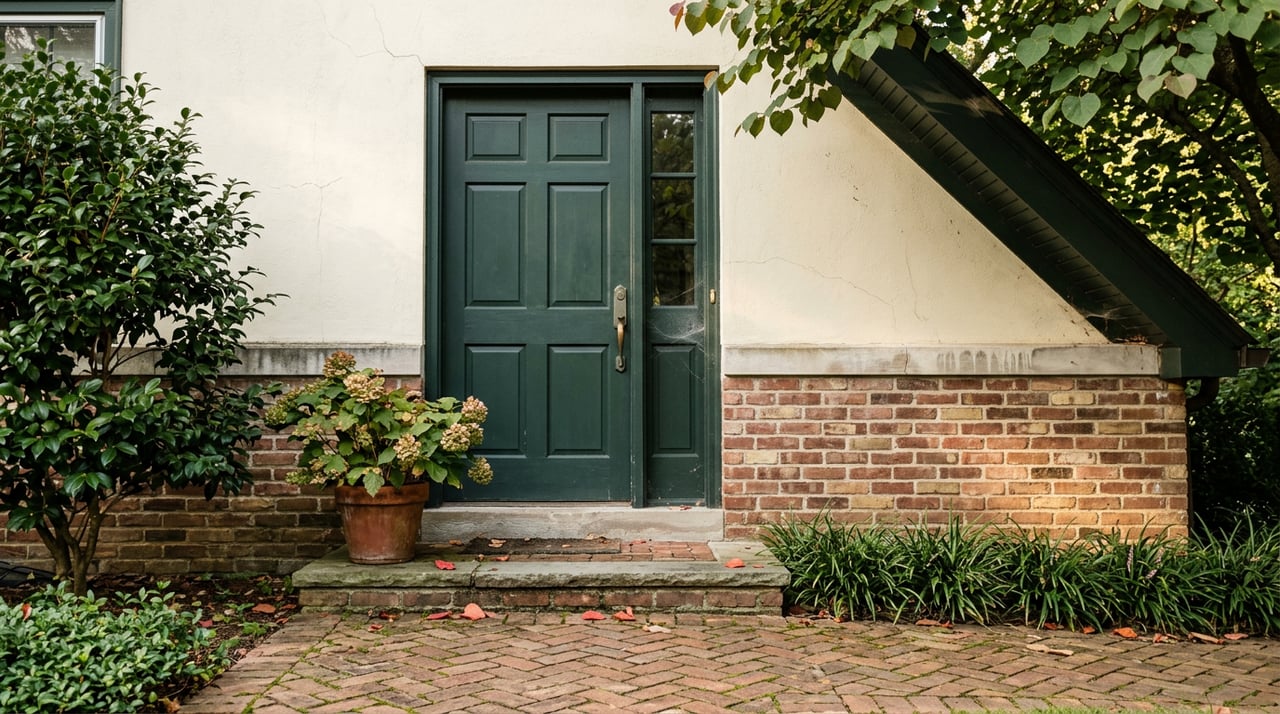
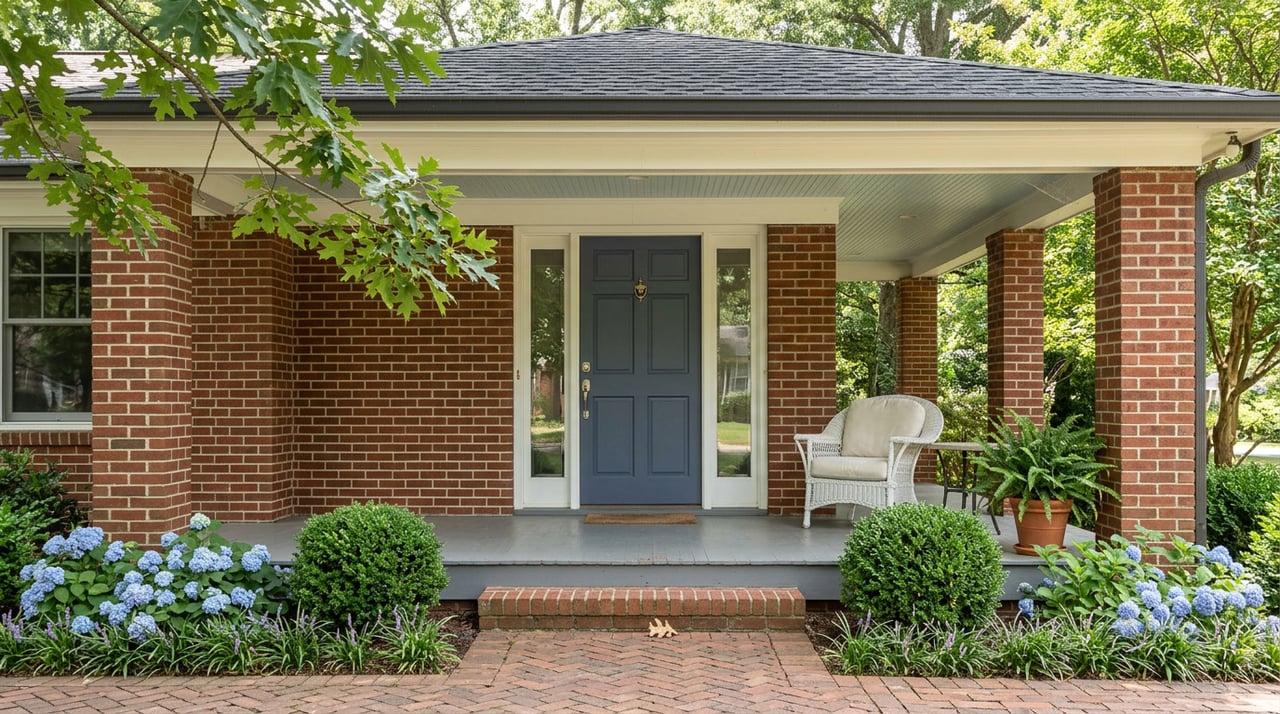
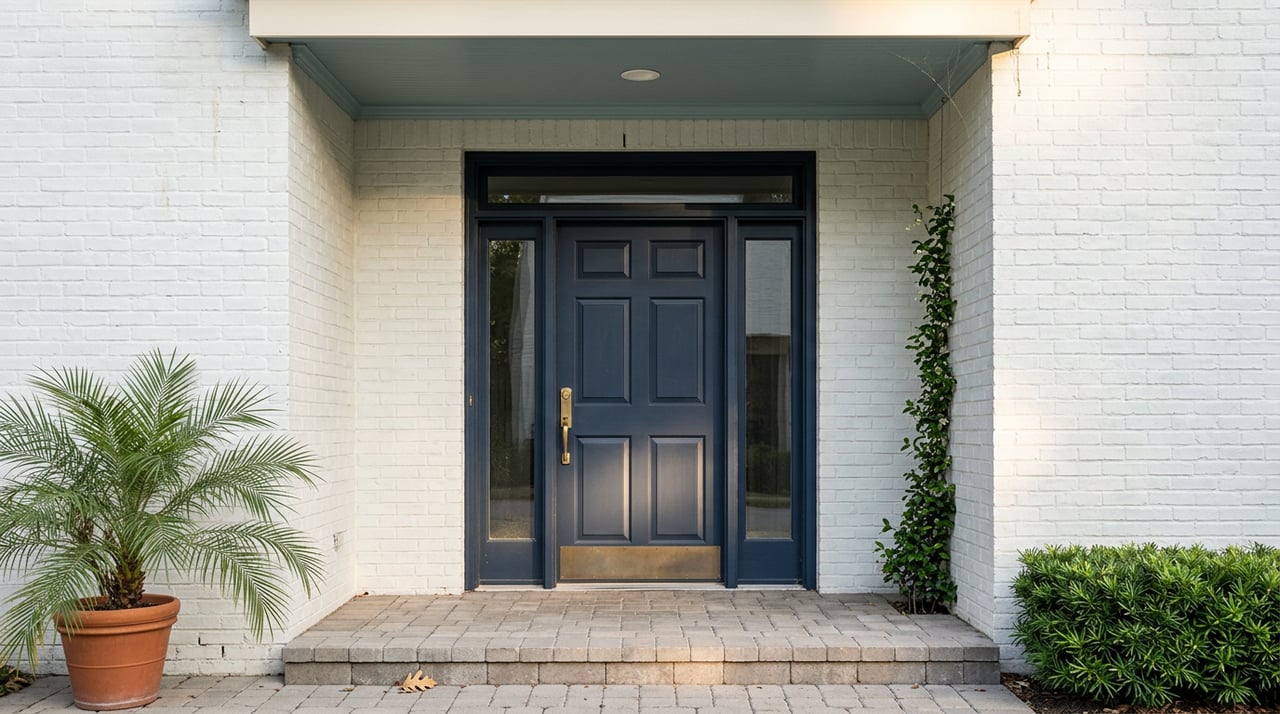
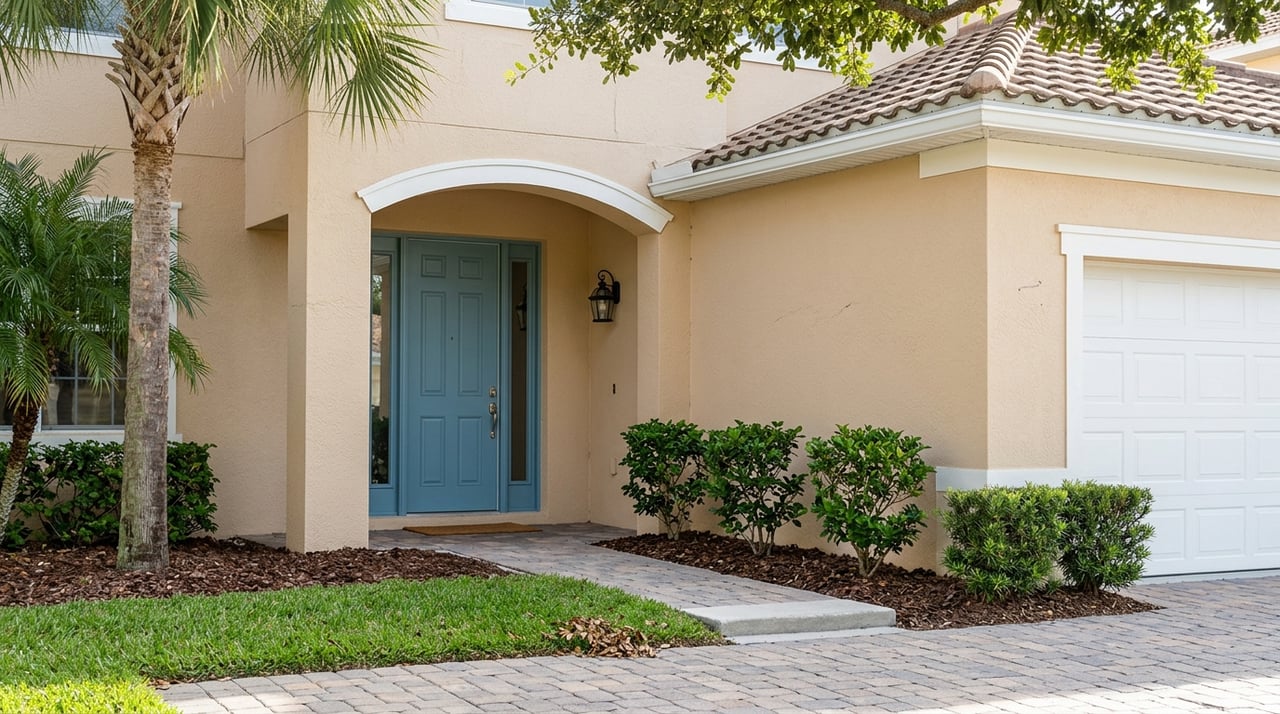
Your exterior sets the tone before a buyer ever walks inside. In Northeast Florida, spring temperatures climb from the low 70s in March to the low 80s by May, and the season also brings regular rainfall, according to NOAA climate normals. That makes spring the right time to focus on lawn health, drainage, irrigation, and fresh landscaping before photos and showings begin.
A tidy yard signals that the home has been cared for. It also helps buyers notice the house itself instead of getting distracted by patchy grass, overgrown shrubs, or mulch that has washed out. In Clay County, where outdoor spaces often add to the home’s appeal, this step carries real weight.
Focus on Florida-friendly landscaping
For practical spring updates, UF/IFAS recommends several Florida-Friendly Landscaping practices that work well for sellers. These include mowing turf at the proper height, correcting sprinkler issues, using a 2- to 3-inch layer of organic mulch in beds, irrigating in the early morning, and avoiding unnecessary over-pruning.
If your lawn is St. Augustinegrass, UF/IFAS notes that standard cultivars should generally be mowed at 3.5 to 4 inches. That one detail can make a visible difference in listing photos. A healthy, properly cut lawn looks fuller, cleaner, and more intentional.
You do not need to redesign the whole yard before listing. In most cases, your best return comes from simple improvements like:
- Refreshing mulch in planting beds
- Trimming shrubs neatly without severe shaping
- Removing dead plants or branches
- Checking for soggy spots or poor drainage
- Cleaning up the front entry and walkway
- Adjusting sprinklers that hit the driveway or sidewalk
If you want to make plant updates, UF/IFAS pattern books for North Florida zones 8A and 8B can help guide low-maintenance, regionally appropriate choices.
Treat outdoor living like a feature
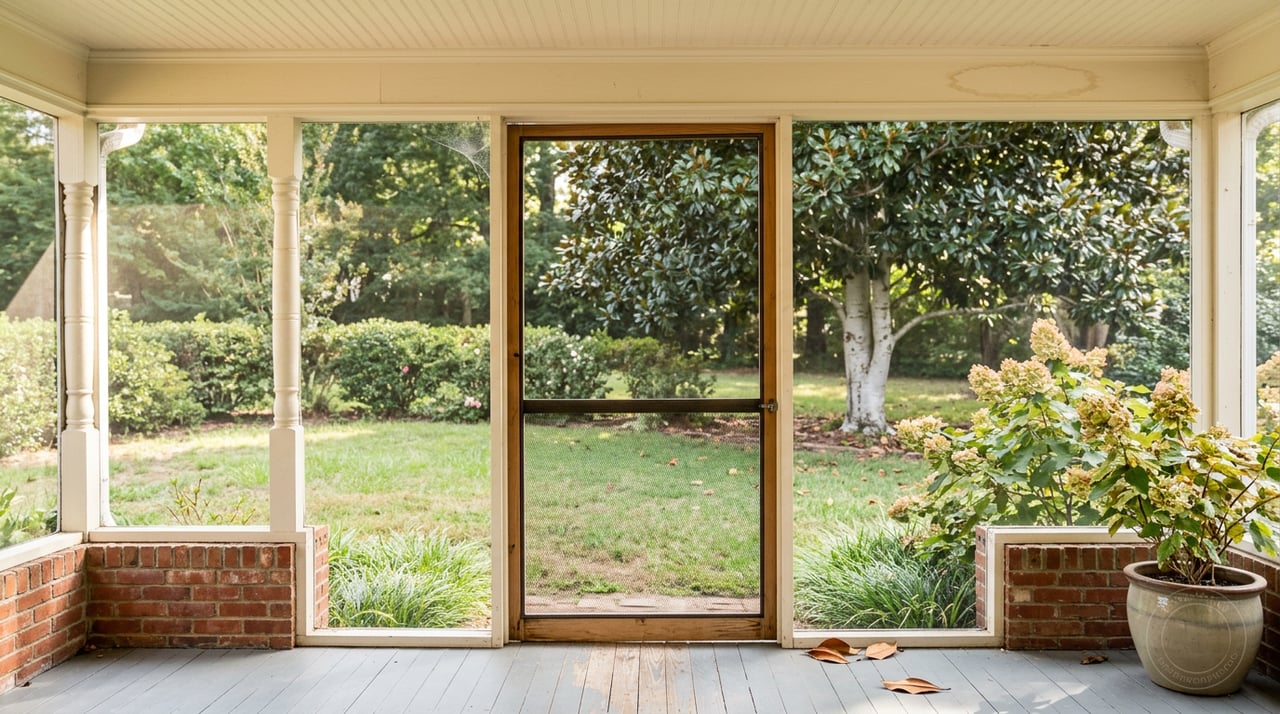
In Clay County, buyers often pay close attention to how a home lives both inside and outside. Current listings in places like Orange Park, Fleming Island, and Oakleaf Plantation frequently highlight screened lanais, mature landscaping, open layouts, and low-maintenance surroundings, based on local listing patterns in the research.
That means your lanai, patio, backyard view, and front porch should be staged with the same care as your interior. Sweep everything, remove worn cushions, wash outdoor furniture, and simplify the space so buyers can picture themselves using it. Even a small patio feels more inviting when it looks clean, open, and functional.
Refresh the interior without overdoing it
You do not need a full remodel to make your home market-ready. According to NAR’s consumer guide on preparing to sell, sellers may benefit most from cleaning windows, carpets, lighting fixtures, and walls, storing away clutter, and improving overall presentation because photos play such a major role in attracting buyers.
The goal is not to erase all personality. The goal is to make rooms feel brighter, cleaner, and easier to understand at a glance. Buyers should be able to walk in and quickly see how each space functions.
Prioritize the rooms buyers notice most
NAR’s 2025 staging survey found that 83% of buyers’ agents said staging makes it easier for buyers to visualize a home as a future residence. The same report found that the living room, primary bedroom, and kitchen were the most important rooms to stage.
If you are deciding where to spend time and money, start there. In many homes, a few updates can go a long way:
- Clear off kitchen counters except for a few simple items
- Reduce furniture to improve flow in the living room
- Use light, neutral bedding in the primary bedroom
- Open blinds and curtains for natural light
- Replace burnt-out bulbs for a brighter showing experience
- Remove oversized decor or storage items that make rooms feel smaller
Think about photos before you list
Your online presentation is often your first showing. NAR research shows that buyers’ agents view photos, physical staging, videos, and virtual tours as important parts of marketing. In a county where buyers may be comparing your home with newer or better-kept listings, professional-quality visuals can help you compete from day one.
Before photos are scheduled, walk through your home with a camera in hand. What looks fine in person can look crowded or distracting in a listing photo. A few small fixes often make a big difference, especially in entryways, kitchens, living rooms, and outdoor spaces.
Quick photo-day checklist
Use this checklist before photography:
- Hide trash cans, cords, and pet items
- Clear bathroom counters
- Put away extra countertop appliances
- Make all beds neatly
- Turn on lights and replace dim bulbs
- Open blinds where natural light improves the room
- Remove vehicles from the driveway when possible
- Sweep porches, lanais, and patios
Handle repairs and inspection concerns early
A home can look great online and still hit problems during due diligence. NAR says a pre-sale inspection is not required, but it can help identify issues with the structure, roof, plumbing, electrical systems, HVAC, interiors, insulation, and more.
Even if you do not plan to fix every item, knowing what may come up puts you in a better position to price, negotiate, and plan. It can also reduce surprises once you are under contract. For many sellers, that clarity is worth the upfront effort.
Gather records before buyers ask
Spring is also a smart time to organize your paperwork. NAR recommends gathering warranties, guarantees, and manuals for items that will stay with the home. If you have had recent maintenance or improvements done, keep those records in one place too.
Helpful documents may include:
- Roof or HVAC service records
- Appliance manuals and warranties
- Receipts for repairs or upgrades
- HOA or community information, if applicable
- Permits for completed work, when relevant
Check flood-zone details if they apply
In Clay County, flood-related questions can become part of the sale process, especially for homes near water, in lower-lying areas, or in manufactured-home communities. The county’s flood zone tool identifies primary flood zones including X, X(shaded), A, AE, and Floodway. The county states that A, AE, and AE Floodway are special flood hazard areas, and flood insurance is required for mortgaged structures in those zones.
Clay County also notes on its evacuation and flood-zone page that evacuation zones are labeled A through E, and all mobile and manufactured homes are considered Zone A regardless of their location in the county. If your property may raise flood or insurance questions, it helps to be ready with accurate information early.
That does not mean there is a problem with your home. It simply means buyers, lenders, and insurers may want clarity. Having flood-zone details, insurance information, and any relevant permit or elevation records ready can help the transaction move more smoothly.
Use spring timing to your advantage
Spring gives you a practical window to finish exterior work before summer weather becomes more disruptive. Atlantic hurricane season officially runs from June 1 through November 30. Completing maintenance, touch-ups, and photography before that window can make your listing process more predictable.
For many sellers, this timing also lines up with stronger buyer activity. If your home is cleaned up, documented, and visually ready before competing inventory rises, you may be better positioned to attract serious interest.
A simple spring prep plan
If you want to keep things manageable, focus on the items most likely to affect your first impression and buyer confidence:
- Clean up the exterior with mowing, mulch, trimming, and drainage checks.
- Refresh key living spaces by decluttering, deep cleaning, and improving lighting.
- Stage the most important rooms including the living room, kitchen, and primary bedroom.
- Do not ignore outdoor areas like the lanai, patio, or front entry.
- Prepare for questions by gathering repair records, warranties, and flood-related details if needed.
- Invest in strong photos so your online presentation matches your home’s best features.
The homes that show best are not always the newest or the most expensive. They are often the ones that feel cared for, easy to understand, and ready for the next owner.
If you are planning to sell this spring in Clay County, working with a team that understands local buyer expectations, timing, and presentation can make the process a lot less stressful. When you are ready for a strategy that fits your timeline, connect with Taquilla Allen for clear guidance, responsive support, and a smart plan to get your home market-ready.
FAQs
What should sellers in Clay County fix before listing a home in spring?
- Focus first on visible maintenance, curb appeal, deep cleaning, lighting, and any issues likely to come up during a buyer’s inspection, such as roofing, HVAC, plumbing, or electrical concerns.
How important is staging for a Clay County home sale?
- Staging can be very helpful because NAR reports that 83% of buyers’ agents say it helps buyers visualize a home as their future residence, with the living room, primary bedroom, and kitchen being especially important.
What outdoor areas matter most when selling a Clay County home?
- Front entries, lawns, mulch beds, patios, and screened lanais matter because local listings often highlight outdoor-adjacent living and overall exterior presentation.
Should Clay County sellers check flood zones before listing?
- Yes, especially if the home is near water, in a lower-lying area, or is a manufactured home, because buyers and lenders may ask about flood zones, insurance requirements, and related records.
When is the best time to prepare a Clay County home for spring listing photos?
- Earlier in spring is often ideal because the weather is warm enough for landscaping improvements, and it gives you time to complete exterior maintenance before hurricane season begins on June 1.