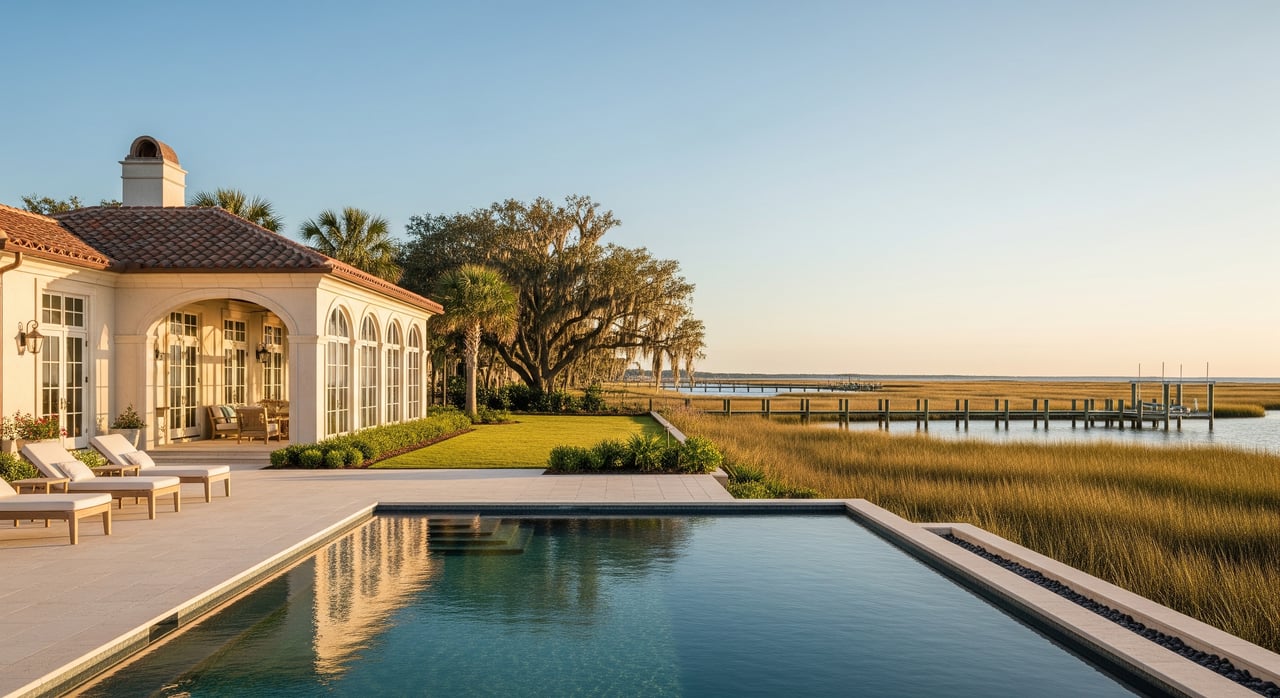
Thinking about moving to St. Johns County? You’re not alone. Many people are drawn to its beaches, historic charm, and access to the Jacksonville job market. If you want a clear, local picture of where to live, how to commute, what schools look like, and what costs to plan for, you’re in the right place. This guide breaks down the essentials so you can decide with confidence. Let’s dive in.
Why St. Johns County
St. Johns County sits on Florida’s northeast coast, just south of Jacksonville and north of Flagler County. You get a mix of coastal communities, historic St. Augustine, and growing suburban corridors with new homes and retail.
The county has grown steadily as families, professionals, and retirees relocate from across Florida and out of state. According to the U.S. Census QuickFacts for St. Johns County, the population expanded in recent decades, reflecting higher household incomes and home values than many neighboring counties.
Local employment includes education, healthcare, tourism and hospitality, construction, and professional services. Many residents also commute into Jacksonville for work.
Neighborhood snapshot
You’ll find four main neighborhood types across the county, each with a distinct feel and housing mix.
Coastal communities
Ponte Vedra Beach, St. Augustine Beach, and Vilano Beach feature beach access, golf, and a range of housing. Prices trend higher near the water. If the coastal lifestyle appeals to you, factor in wind and flood insurance as part of your budget.
Historic St. Augustine
Downtown St. Augustine and surrounding historic areas offer walkable streets, cultural sites, and a unique architectural character. Homes range from historic cottages to newer infill options.
Suburban master-planned hubs
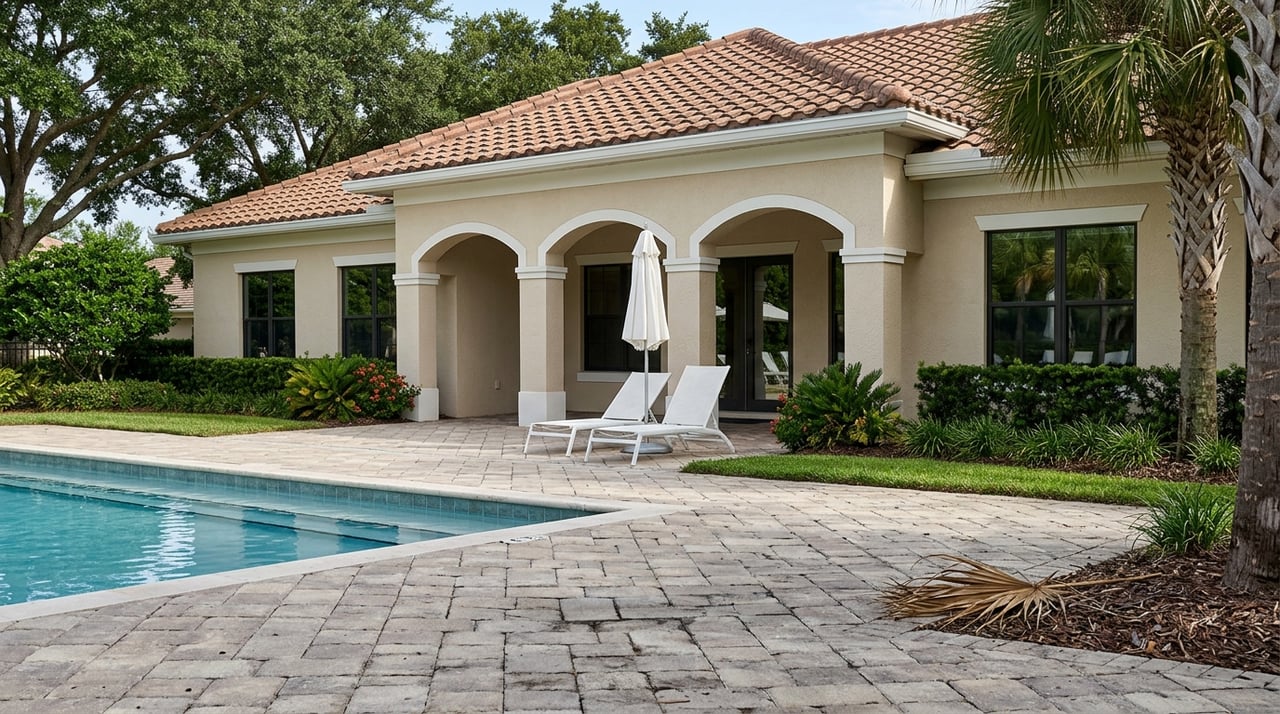
Inland, you’ll see newer, amenity-rich communities with pools, trails, and neighborhood parks. Popular areas include Nocatee, World Golf Village, Palencia, Durbin Crossing and Durbin Park, and the Julington Creek corridor. Many of these locations attract commuters who want suburban living with access to Jacksonville.
Semi-rural pockets
Move farther inland and you’ll find larger lots, conservation areas, and a quieter, semi-rural lifestyle. Some properties rely on well and septic rather than municipal utilities.
Master-planned living
If you’re considering a master-planned community, keep these points in mind:
- HOA and CDD fees are common. They help fund amenities, landscaping, and infrastructure. Review fee schedules and what they cover. For example, the Nocatee Community Development District outlines how CDDs operate and what they maintain.
- Many communities are still growing. Builders add new phases over time. Ask about the long-term buildout plan, future amenities, and any remaining construction nearby.
- Amenities are a big draw. Pools, clubhouses, parks, and trails add value, but confirm maintenance obligations and operating hours.
Schools and education
The St. Johns County School District is a major reason many households choose to live here. Public schools in the district consistently post strong results on state accountability measures, with many A and B ratings. You should always verify school assignments for a specific address using the district’s attendance zone tool, since boundaries can change as new schools open.
For state data, you can review Florida Department of Education school grades. Private and parochial schools are available in the county and in nearby Jacksonville.
For higher education, Flagler College is located downtown; learn more about programs and campus life at Flagler College in downtown St. Augustine. Regional universities and community college options in Jacksonville are within commuting distance.
Commute and jobs
Many residents commute to the Jacksonville area for work. Typical one-way travel times vary widely by starting point and time of day, and can range from about 20 to 60 minutes or more during peaks. Key routes include I‑95 for north-south travel, I‑295 around Jacksonville, State Road A1A along the coast, and County Road 210 in the western corridor.
Public transit within St. Johns County is limited compared with major metro systems, so most people rely on a car. Newer communities often include trail networks for biking and walking.
Top local sectors include public education, healthcare, tourism and hospitality, retail, construction, and professional services. For healthcare access, Flagler Health+ operates in St. Augustine, and larger hospital systems are accessible in Jacksonville.
Costs and insurance
Florida has no state income tax, which can help your budget. Housing costs vary by location. Coastal and amenity-heavy areas tend to be higher priced, while some inland or older neighborhoods may be more affordable. Property taxes reflect property values and local millage rates, and many owners claim a homestead exemption if eligible.
Insurance deserves careful attention, especially near the coast. Homeowners policies and wind coverage can be higher for properties closer to the ocean. Many homes in designated flood zones also require separate flood insurance. To review flood risk for a specific address, use the FEMA Flood Map Service Center and ask your insurance professional for a quote.
Hurricane season runs from June 1 to November 30. Know your evacuation zone and review county emergency plans through St. Johns County Emergency Management.
Parks and lifestyle
Outdoor recreation is a major perk of living here. Popular beaches include Ponte Vedra Beach, St. Augustine Beach, and Vilano Beach for surfing, fishing, and laid-back weekends.
- State parks and preserves: Explore the dunes, trails, and camping at Anastasia State Park, or hike and paddle in the GTM Research Reserve.
- Golf and clubs: You’ll find well-known golf communities and private clubs throughout the county.
- Dining and culture: Historic St. Augustine offers restaurants, boutique shopping, museums, and year-round events.
Essential services
- Utilities: Service types vary by location. Many newer communities connect to municipal water and sewer, while some inland or older properties use well and septic. Confirm utility providers during your search.
- Internet: High-speed internet is common in denser suburban areas and new developments, including fiber in some corridors. Always check availability by address.
Buyer checklist
Use this quick checklist to compare homes and neighborhoods:
- Define your monthly budget, including HOA or CDD fees, taxes, and insurance.
- Ask for a clear breakdown of HOA and CDD fees and what they include.
- Verify school assignments with the district’s attendance maps before you write an offer.
- Test your commute at peak times on I‑95, I‑295, CR‑210, or A1A, depending on your route.
- Request homeowners and flood insurance quotes early, especially for coastal areas.
- If buying new construction, review the builder’s timeline, warranty, and nearby projects still underway.
- Order a full home inspection and, if relevant, a separate wind mitigation and four-point inspection.
- Check flood zone status on FEMA maps and ask about elevation certificates or mitigation features.
- Prepare a hurricane plan with evacuation routes and a basic supply kit.
Is St. Johns right for you?
If you want coastal access, historic character, and suburban convenience near a major job market, St. Johns County delivers. The tradeoffs are higher costs in certain areas, limited public transit, and practical planning around storms and insurance. With a clear budget, an eye on commute and school details, and a plan for coastal risk, you can find a great fit here.
Ready to explore neighborhoods and compare options side by side? Reach out for local guidance, military and relocation support, and a smooth search-to-close experience with Taquilla Allen.
FAQs
What makes St. Johns County appealing to new residents?
- You get beaches, historic St. Augustine, suburban amenities, and access to the Jacksonville job market, with a range of communities from coastal to master-planned and semi-rural.
How do school assignments work in St. Johns County?
- School boundaries can change as new schools open; confirm the assigned schools for any home using the district’s attendance zone tool.
How long is the commute to Jacksonville from St. Johns County?
- Depending on your starting point and traffic, a one-way commute commonly ranges from about 20 to 60 minutes or more via I‑95 or I‑295.
Are there beaches and parks nearby?
- Yes, with public beaches like St. Augustine Beach and parks such as Anastasia State Park and the GTM Research Reserve.
What should I know about flood and wind insurance?
- Coastal exposure can raise insurance costs; check your property’s flood zone on the FEMA Flood Map Service Center and consult an insurance professional for quotes.
Do master-planned communities charge CDD or HOA fees?
- Many do; fees support amenities and infrastructure, so review schedules and inclusions, such as those explained by the Nocatee Community Development District.
How can I prepare for hurricane season?
- Know your evacuation zone and review county guidance through St. Johns County Emergency Management, then build a basic supply kit and plan your route.